
Two internet packages that look similar at first glance can have very different effects on your budget by the end of the contract. A sound home internet price comparison considers not only the monthly fee shown on the screen but also the infrastructure, your actual usage needs, additional costs and the quality of support. Especially when remote work, online learning, gaming and high-resolution streaming all happen in the same home, the cheapest option isn't always the most economical one.
Look beyond the price when comparing home internet prices
A package's promotional monthly price is a good starting point for your decision, but it isn't enough on its own. First, check how many months the promotional price applies and what the standard fee will be once the promotion ends. With 12- or 24-month commitments, even if the first period looks attractive, the total subscription cost can vary.
To make a clearer comparison, calculate over the same period. For example, add items such as installation, activation, modem, any device rental and stamp duty to a package's 12-month total. If the other package doesn't charge these fees, it may be the better deal in terms of total cost, even if its monthly price is slightly higher.
When reviewing prices, these four points should be considered together:
- Promotional monthly fee and the fee after the promotion ends
- Commitment period and the terms for early cancellation
- Additional service fees such as installation, activation, modem and relocation
- Payment method, and any benefits for automatic payment or upfront payment
No-commitment and prepaid options also deserve a separate evaluation here. The monthly fee may be higher than that of a long-term commitment package. On the other hand, this flexibility can be valuable for people who may move, renters, or those who want to adjust their usage from time to time. The right choice depends not just on the price level but on your lifestyle.
Infrastructure changes the real value of the same speed
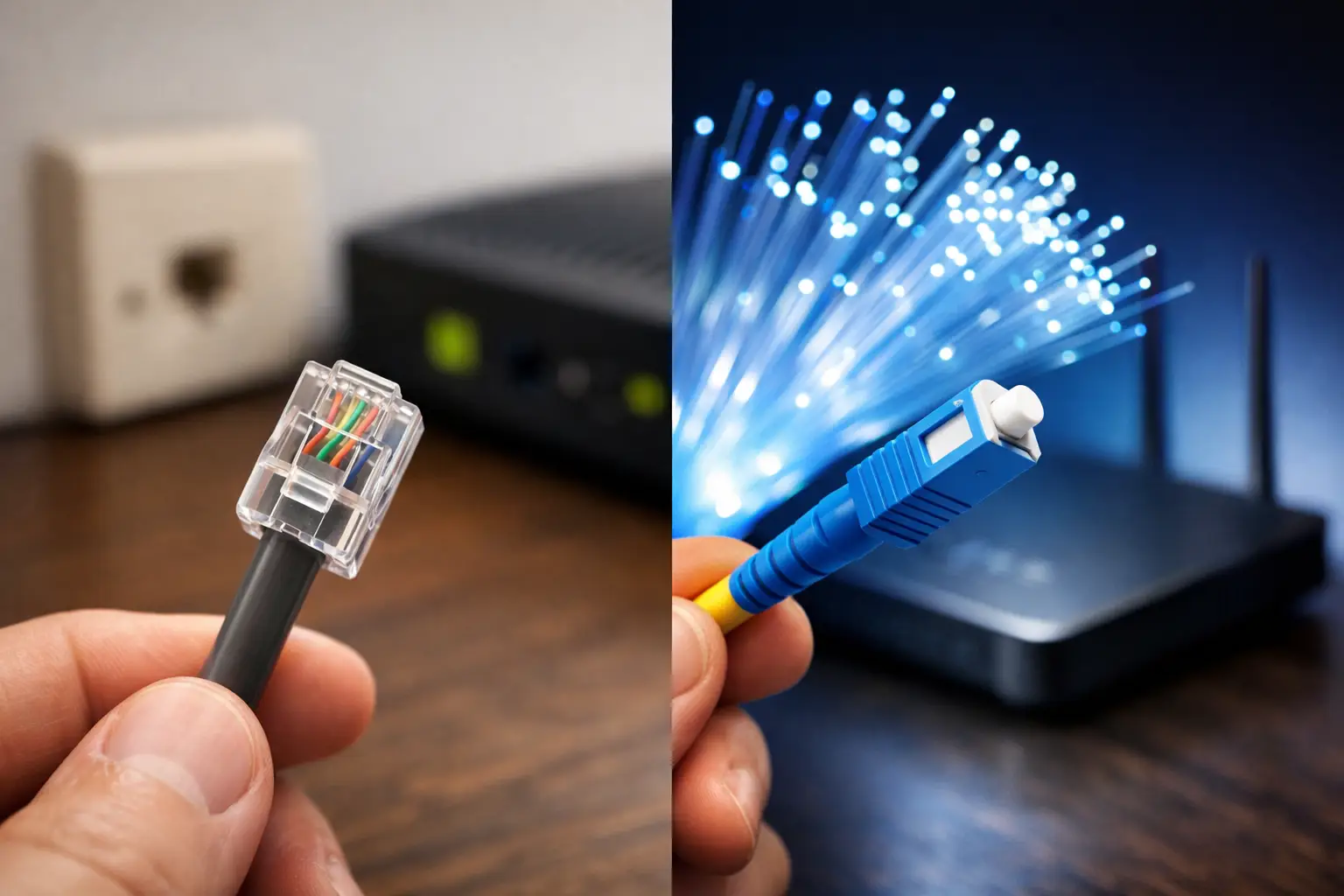
When comparing internet prices, first find out which infrastructure is available at your address. Fiber, VDSL and wireless internet options offer different installation processes, speeds and connection experiences. A provider's high-speed package may not be available to you if your address lacks the right infrastructure.
At an address with fiber infrastructure, high-speed options offer a clear advantage in homes where several devices are used at once. They help keep the connection smooth in scenarios such as a video meeting running while someone in another room streams in 4K or downloads a game. VDSL, by contrast, can deliver varying results depending on the quality of the existing copper infrastructure and the distance to the exchange. Wireless internet solutions can also be a practical alternative in areas where fixed-line infrastructure is limited.
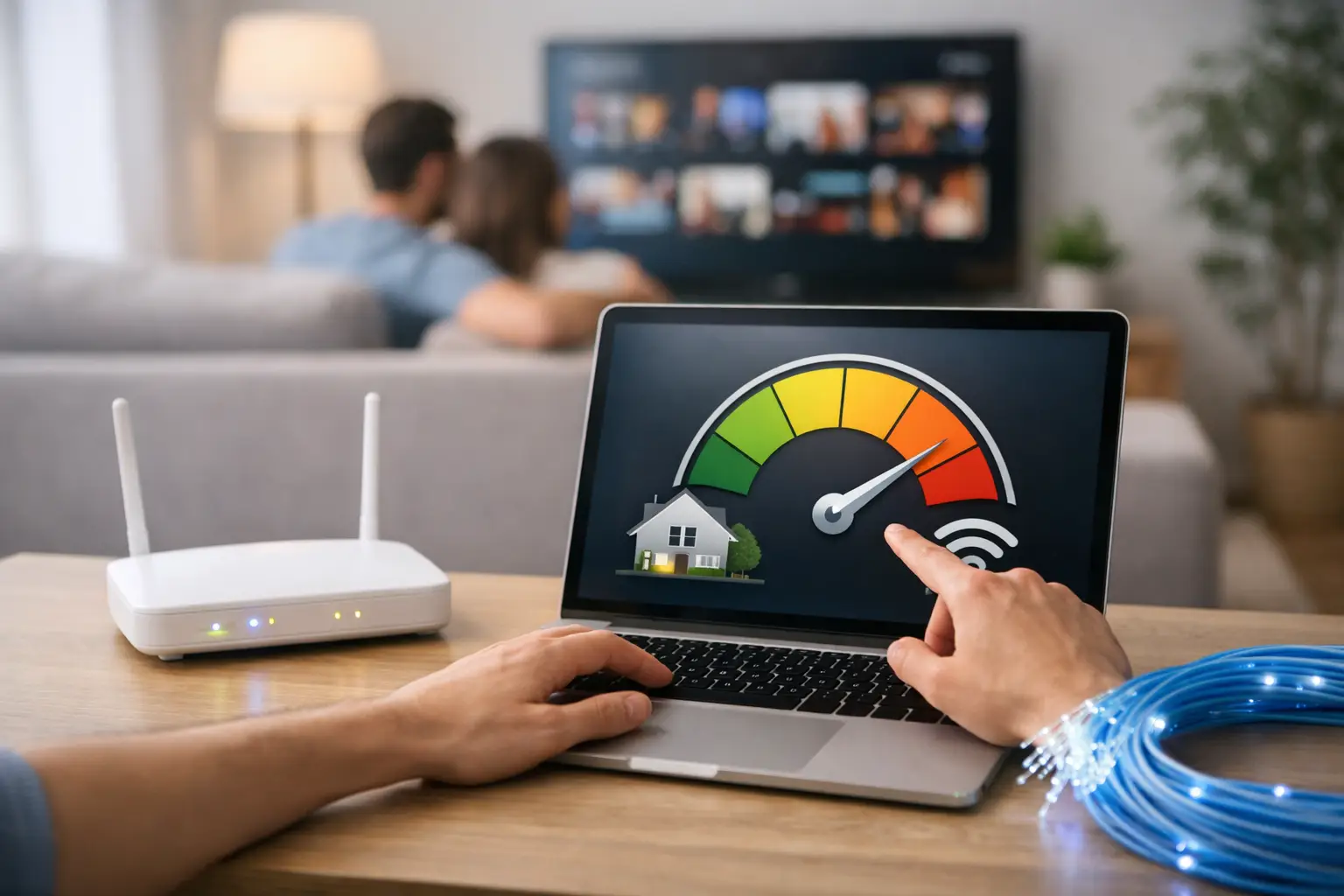
The key distinction here is the phrase “up to.” The advertised maximum speed and the speed you actually get at home may not be the same. Indoor wiring, the building connection, modem placement, wireless network congestion and infrastructure conditions all affect the result. That's why reviewing the provider's address check result and the speed range it can offer makes your price comparison more realistic.
Ask about upload speed as well as download speed
Most users choose a package based on download speed. However, upload speed also matters for remote workers, content creators, online teachers and small businesses that send files frequently. Freezing on video calls, slow cloud backups or sluggish file transfers are often caused by limits in this area.
If one of two packages with the same download speed offers better upload performance, it may be worth a higher monthly fee depending on how you use it. On the other hand, a small household that only uses the internet for social media, messaging and standard video streaming doesn't need to pay for more speed than it needs.
Choose your speed based on the number of people at home
There is no single answer to the question “How many Mbps is enough?” What matters is how many people use the internet at the same time and which applications are running. A more modest package may be enough for one person's basic use, while a home of four where everyone is connected simultaneously needs higher speeds.
For example, mid-range speeds may do the job for daytime use focused on email, online banking and video streaming. When two people work from home with online meetings, cloud applications and high-quality streaming, a faster and more stable connection makes more sense. For competitive online gamers, latency, modem quality and the option of a wired connection matter as much as speed.
Choose your package based on your peak usage time. In a home where everyone goes online in the evening, deciding based only on daytime needs may fall short. Choosing too low a speed makes everyday use frustrating, while choosing more speed than necessary inflates your budget. The right price-performance balance lies between these two points.
Modem and installation terms affect your budget
Is a modem included in the package price, is it rented, or can you use your existing modem? The answers directly affect the total cost. Older modems in particular may not fully deliver the capacity of high-speed packages over Wi-Fi. If your home is large or the walls weaken the signal, you should think not only about the internet package but also about in-home wireless coverage.
Factor in the installation time as well. A new subscription may require an in-building connection, device delivery or an appointment. For users planning to move, relocation terms are also important. If the infrastructure at the new address is different, the package you chose and the speed you can get may change too.
These details may seem complicated, but there's a simple approach that makes deciding easier: note separately whether each fee in the offer is one-time or monthly. Then calculate the total amount you'll pay for the first year. This makes it easier to spot the extra charges behind prices that look low.
Support quality is part of price-performance
When your internet connection works smoothly, support stays in the background. But when the connection drops, a modem needs setting up, or you have a question about your subscription, quick access makes a big difference. That's why, when comparing home internet, you should look at the channels for reaching customer service, digital self-service options and the fault tracking process.
Being able to view bills, track your package, make payments and create support requests through a mobile app or online services speeds up day-to-day management. Approval processes that can be completed via e-Devlet can also reduce paperwork during the application stage. With providers like Tepenet that offer digital channels and different infrastructure options together, the process, starting with an address eligibility check, can move along more smoothly.
It's important to set realistic expectations here. Not every fault can be resolved in the same amount of time; whether the problem stems from the building's wiring, the device or regional infrastructure can change how long it takes. Still, being able to reach the support team easily, track what stage the process is at and get the right guidance quickly noticeably improves the user experience.
Ask the same questions before deciding
Look at every provider you compare through the same lens: What infrastructure is available at my address, what realistic speed can I get, what will the total cost be for the first 12 months, are the modem and installation included, what are the commitment terms, what happens if I move, and through which channels can I reach support?
When you put the answers to these questions side by side, you can choose based on your usage rather than just the discount rate. The best package for a user who wants short-term flexibility is not the same as for a multi-device family that will stay at the same address for years.
A good internet choice isn't about finding the lowest number on the screen; it's about bringing together the speed you need at home, your budget and your support expectations in a single package. Once you've checked the infrastructure at your address and clarified the total cost, you can choose your connection with greater confidence.